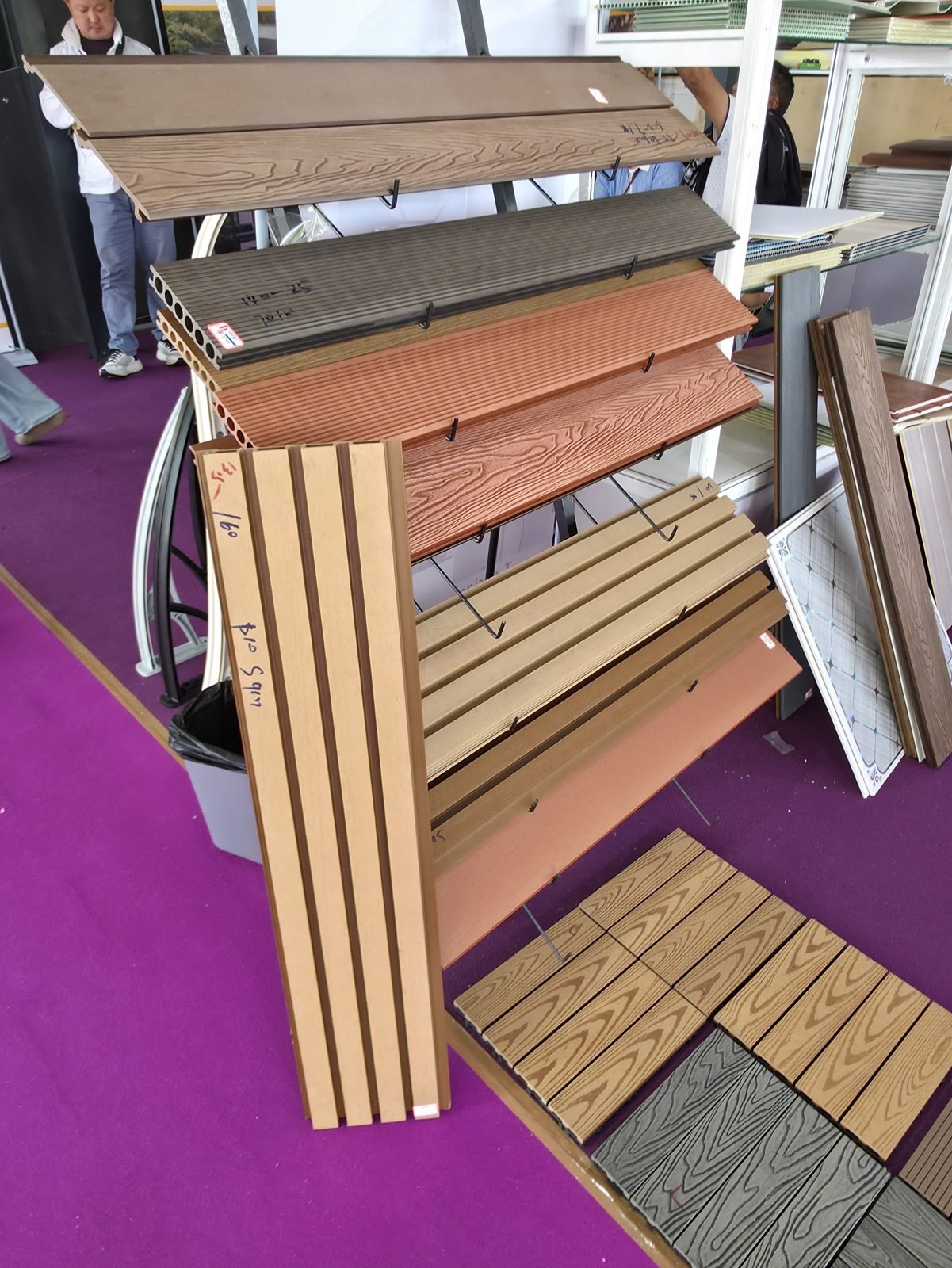
Most first-time importers plan for the factory price, freight, duty and GST. Fewer plan for biosecurity, and that is often where a first shipment gets held up. New Zealand takes pests and diseases at the border seriously, and the Ministry for Primary Industries (MPI) has to be satisfied before your goods are released, alongside the Customs side of clearance.
This guide explains, in plain English, what MPI is looking at, where the common risks sit for goods coming from China, and what you can sort out with your supplier before anything is loaded. It is general information only; the official pages linked below are always the final word.
Customs and MPI: two separate checks
When your goods land, two agencies are involved. New Zealand Customs deals with your import entry, duty and GST. MPI deals with biosecurity: making sure the goods, their packaging and the container itself are not bringing in unwanted pests or diseases. Your goods need to be cleared by both before they are released to you.
If you have not yet set up your company, NZBN, GST and Customs client code, start with Set Up Your NZ Business First, then come back here.
What MPI actually cares about
According to business.govt.nz’s biosecurity guide for importers, goods that could carry unwanted pests or organisms have to meet MPI’s import health standards (IHS). The obvious ones come from animals or plants, but the guide points out that other imports carry risk too, including sea containers, used vehicles, machinery and used tyres.
For a typical small business importing manufactured goods from China (furniture, homewares, building products, fencing, clothing, electronics), the biosecurity questions usually come down to three things:
- The product itself: is it made from, or does it contain, plant or animal material such as timber, bamboo, rattan, seeds, wool, leather or feathers?
- The packaging: is anything packed on wooden pallets, in wooden crates or with wooden bracing?
- The container: is it clean inside and out, with no soil, plant material, insects or other contamination?
1. Check your product against the import health standards
If your product is made from or contains plant or animal material, check whether an import health standard applies before you order. Depending on the product, business.govt.nz notes you may need a phytosanitary (plant health) certificate, a zoosanitary certificate or a CITES certificate. Timber and wood products fall under MPI’s forest products requirements.
Some importers also need permission from MPI before importing goods that could be a biosecurity hazard. If you are not sure whether your product is affected, ask your customs broker or contact MPI before you pay a deposit.
2. Wood packaging and ISPM 15
Even if your product has nothing to do with wood, the pallet it sits on might. MPI says that if you are importing products packaged in wood, the packaging needs to meet New Zealand’s biosecurity requirements. As the importer, your responsibilities include meeting the import health standard for the wood packaging, arranging treatment where needed, reporting signs of pests or disease to MPI, and keeping the right records. MPI also notes that fees and charges may apply.
ISPM 15 is the international standard for treating and marking wood packaging. For questions about it, MPI directs importers to the exporting country’s National Plant Protection Organisation or to their customs broker, and for other questions to plantimports@mpi.govt.nz.
What to ask your supplier: Will any wooden pallets, crates or bracing be used? If so, are they treated and marked to ISPM 15? Can they send photos of the marks before loading? Some suppliers can use plastic pallets or cardboard instead, which removes the question entirely. If you are working out which Incoterm to buy on, remember that whoever packs the goods controls this.
3. Clean containers and careful packing
Sea containers are one of the main ways pests travel, so MPI has to certify and clear containers along with their contents. On MPI’s containers and cargo page, the message is simple: if you import containers into New Zealand, you must meet biosecurity requirements for the type of container and any cargo and packaging.
The business.govt.nz guide gives practical shipping tips that are worth passing straight to your supplier or forwarder:
- Pack mixed consignments carefully to reduce the risk of contamination.
- Check containers and packaging for insects or animals before and during loading.
- Address packages clearly, with a New Zealand contact phone number.
4. Where your container gets unpacked
Containers that may carry biosecurity risk go to an MPI-approved transitional facility. MPI explains that goods or containers may need to be inspected or treated there before they can be cleared, and that an MPI-approved accredited person must be available to check containers.
Under MPI’s 100% sea container checks, the results of every sea container inspection at a transitional facility are reported to MPI. If live organisms are found, the inspector must call MPI’s pest and disease hotline straight away.
For a small business, this usually means your full container goes to a transitional facility (often run by your freight forwarder or a devanning depot) rather than straight to your garage or shop. Ask your forwarder early where it will be unpacked, so there are no surprises on delivery day.
What happens if something is wrong
The business.govt.nz guide is clear about the consequences. Goods that do not meet New Zealand law may be destroyed or returned to their country of origin at the owner’s expense. Goods with missing, incorrect or incomplete certificates may be destroyed or sent back. Goods containing pests or diseases will be treated or destroyed. It also notes that failing to declare restricted goods can lead to fines of up to $100,000 for an individual and up to $200,000 for a company.
Treatment, storage and extra handling all add cost and time, which is why biosecurity belongs in your landed cost thinking from day one.
A simple pre-shipment biosecurity checklist
- Is my product made from, or does it contain, any plant or animal material? If yes, check the relevant import health standard.
- Do I need a permit or certificate (phytosanitary, zoosanitary, CITES) before shipping?
- Will any wood packaging be used? If yes, is it ISPM 15 treated and marked, with photos supplied?
- Has the supplier agreed to load into a clean container and check for insects and contamination?
- Do my documents (invoice, packing list, any certificates) clearly describe the goods and packaging materials?
- Has my forwarder or customs broker confirmed where the container will be unpacked?
For the rest of the pre-shipment steps, see 5 Things Every New NZ Importer Should Sort Out and the free First Import Checklist. New to all of this? Start with How to import from China to NZ.
Want a second pair of eyes before you order?
Start with Max helps NZ and Pacific businesses from idea to import to growing: company setup, factory sourcing in China, shipping and customs, then your website and marketing. If you are not sure whether your product or packaging raises biosecurity questions, have a look at my services and pricing, or book a free first chat. You can also message me on Instagram or Facebook @maxinaucks, WhatsApp +64 22 311 8178, or email maxinaucks@gmail.com.
[…] Courier, Air, LCL or FCL? How to Ship Your First Order from China to NZ Biosecurity Basics for Your First Import from China: What MPI Checks and How to Avoid Delays After the Canton Fair: How to Follow Up and Check a Chinese Supplier Before You Pay EXW, FOB, CIF […]