Importing straight from a factory in China can give you much better margins than buying locally from a wholesaler. It can also go wrong fast if you skip steps. Here’s the process I follow for my own imports, in plain English.
1. Get clear on your product and your numbers
Before you contact a single supplier, write down what you want (specs, materials, sizes, colours), roughly how many you’d buy, and what you could sell each one for in NZ. That selling price is what tells you whether importing is worth it.
2. Set up your business, ready to import
Importing in your own business name keeps things clean for customs, GST and your accounts. If you’re just starting, get your company set up first. This is step one of what I do for clients.
3. Find and compare suppliers
There are three main places I look:
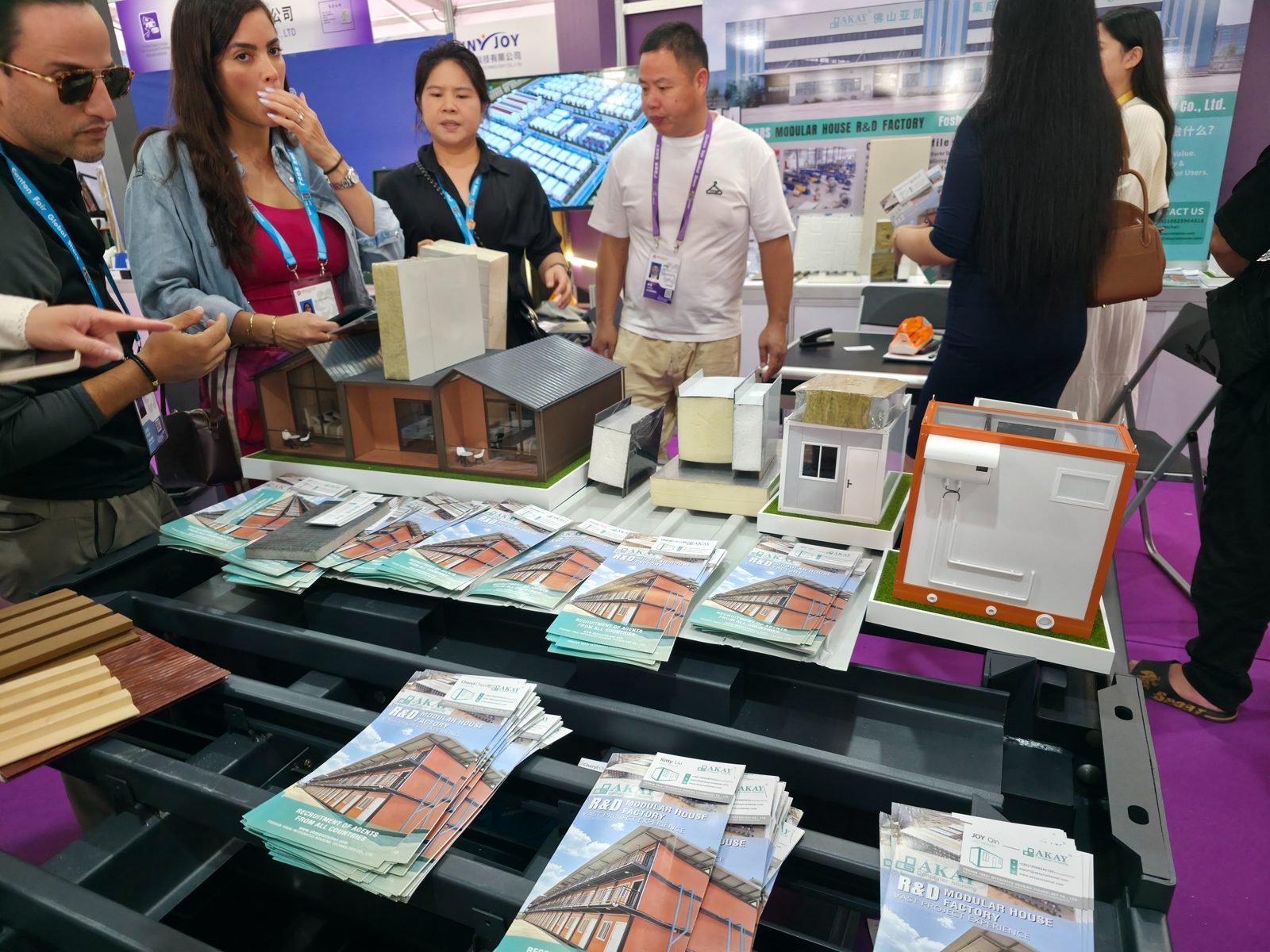
- The Canton Fair in Guangzhou: you meet factories face to face and see products in person.
- Alibaba: an English-language marketplace with a huge range of export-ready suppliers.
- 1688.com: China’s domestic wholesale site. Prices can be lower, but it’s mostly in Chinese and suppliers don’t usually handle export, so you need someone on your side.
Always compare several suppliers. The cheapest quote isn’t always the best one once quality and reliability are counted.
4. Negotiate price and MOQ
MOQ means minimum order quantity. Many factories will move on price or MOQ, especially for a first order or a trial run. Get the price, MOQ, lead time and what’s included in writing.
5. Get samples and check quality before you pay
Order samples first. Check them properly: materials, finish, packaging and anything that matters to your customers. Agree quality standards with the factory, and have goods checked before the balance is paid.
6. Choose your shipping: LCL or FCL
Shipping is priced by volume, measured in CBM (cubic metres). For a small first order, LCL (less than container load) means you share a container and pay for your space. Once volumes grow, a FCL (full container load) is often better value per unit.
7. Clear customs and pay duty and GST
When your goods arrive, a customs import entry is lodged, any duty and GST are paid, and the goods are released. Some products, like timber or items with wooden packaging, may also need biosecurity checks. Rules change, so check the current requirements with NZ Customs and MPI for your product.
8. Deliver, sell and reorder
From the port, goods are delivered to your door, warehouse or shop. Then it’s about selling: a website, ads and social media. Once you know what sells, reordering gets easier each time.
Know your landed cost first
Before you pay anything, add up the full cost of getting each unit to your door. I’ve explained it here: What is landed cost, and why it matters before you order.
Got an idea? DM me today.
Free first chat on Instagram, Messenger or WhatsApp, or use the contact form.