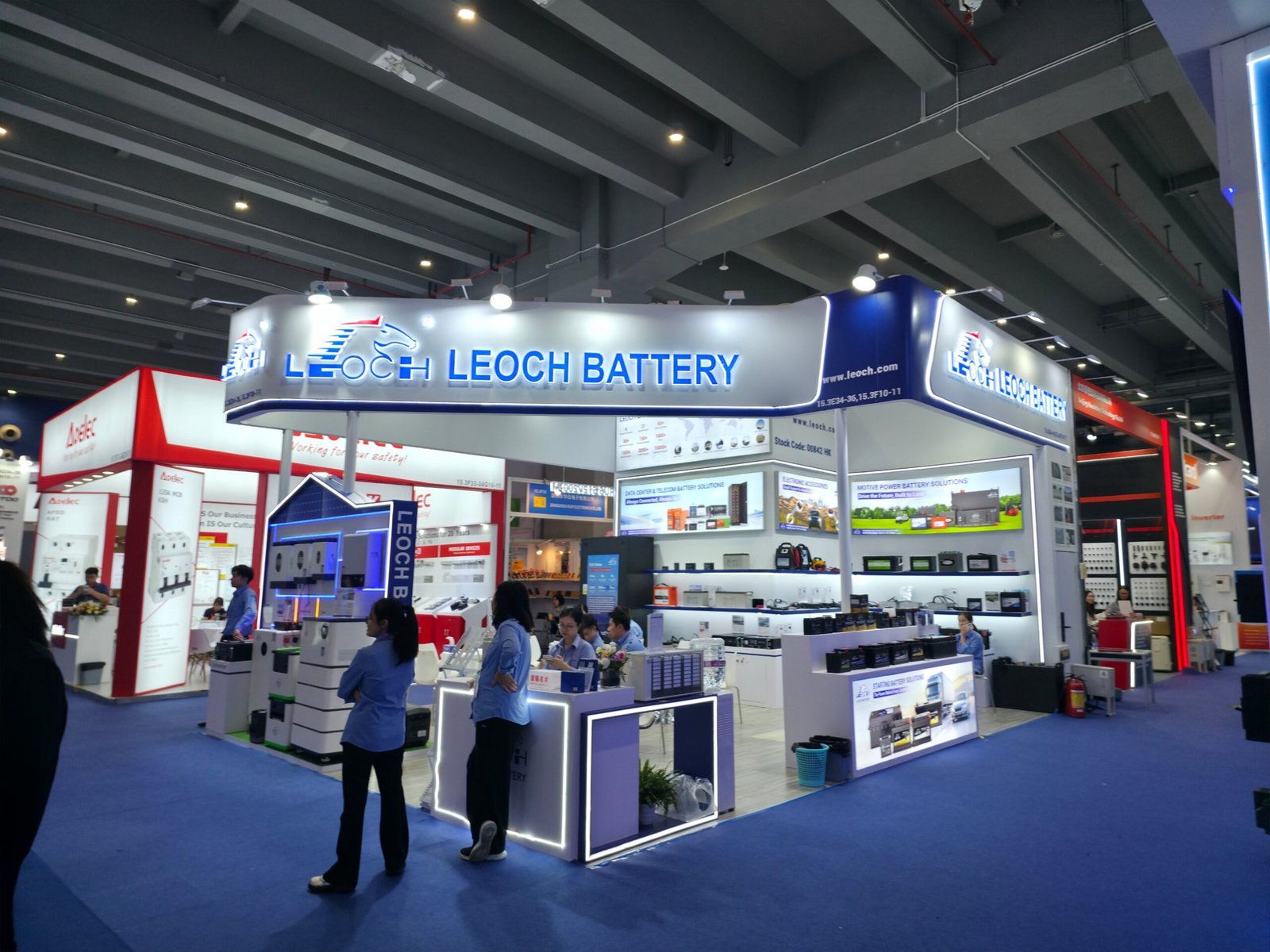
The Canton Fair is a brilliant place to find factories. You can walk a whole product category in a day, handle samples, and talk to the people who actually make the goods. But the fair is only the start. The real work happens in the weeks after, when the business cards are in a pile and the WeChat messages start rolling in.
This is the part where new importers either lock in a good supplier or lose money. Here’s how I’d follow up after the fair, and how to check a Chinese supplier properly before you send a deposit.
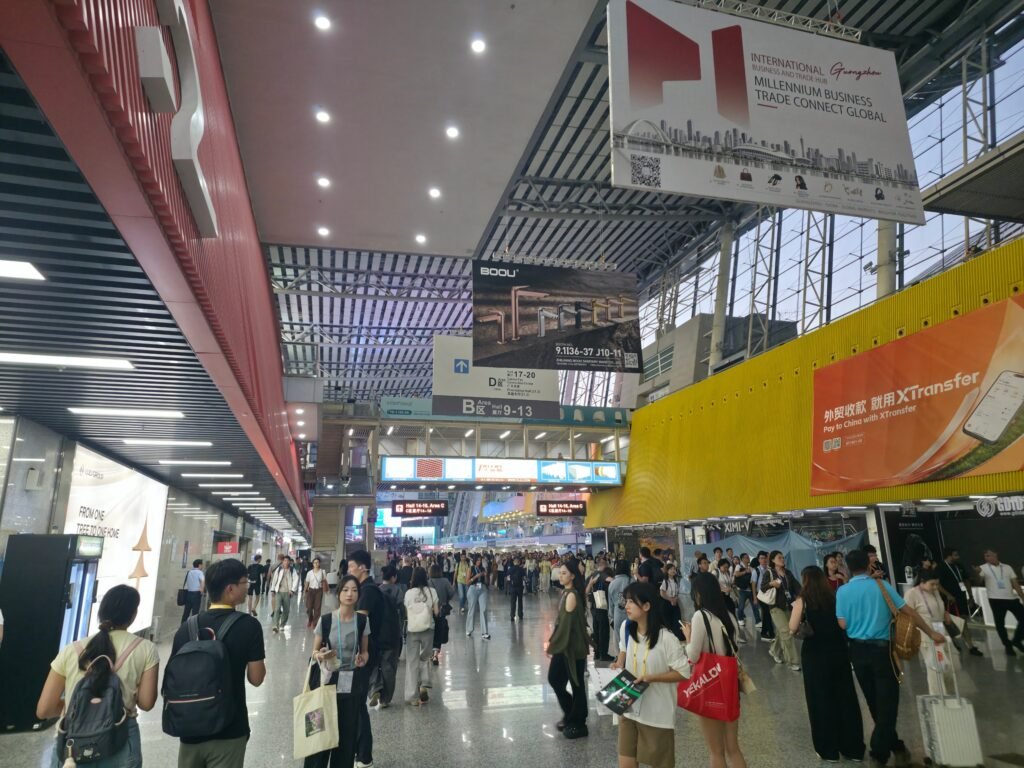
1. Sort your contacts while the fair is still fresh
Do this within a few days of getting home, while you still remember which booth was which. For every supplier you’re serious about, write down:
- The company name exactly as it appears on their business card or catalogue (in English and Chinese if you have it)
- Booth number, hall and phase
- The products and models you discussed, with photos
- Any prices, MOQs (minimum order quantities) and lead times they quoted, and whether the price was EXW or FOB
- Your gut feeling: factory or trading company? Organised or chaotic?
Then cut the list down. Three good suppliers per product is plenty. Following up with fifteen just means fifteen half-finished conversations.
2. Send one clear follow-up, not ten vague ones
Suppliers meet thousands of buyers at the fair. The ones who get fast, serious replies are the buyers who send a clear brief. In your first message, include:
- A reminder of who you are and which booth you met them at
- The exact product, specs, colours and packaging you want
- Your realistic first order quantity
- Your shipping destination (Auckland, Suva, Nuku’alofa, Rarotonga and so on)
- A request for a formal quotation with the Incoterm stated, lead time, payment terms and sample cost
Ask every supplier for the same things so you can compare like with like. If one quotes EXW and another FOB, the cheaper-looking price may not be cheaper. My guide to EXW, FOB, CIF and DDP explains why.
3. Check the company is real and is who they say they are
A nice booth doesn’t prove much. Before you pay anything, ask for a copy of the supplier’s business licence. Every registered company in China has one, and it shows the company’s registered name, its unified social credit code (an 18-character registration number), legal representative, registered address and business scope.
You can then look the company up on China’s official business register, the National Enterprise Credit Information Publicity System. It’s in Chinese, so a browser translate tool helps. Check that:
- The registered name matches the name on the quotation and, later, on the bank account you pay
- The business scope covers manufacturing if they told you they’re a factory
- The company is still active and has no obvious problems listed
Being a trading company isn’t a bad thing. Many are good to work with and handle small orders that factories won’t touch. What matters is that they’re honest about what they are, so you know who controls quality and price.

4. Get samples, and check them against your market
Always order samples before a production order, even if you saw the product at the fair. The display item on the booth is often the best one they’ve ever made. When the samples arrive, check them against your spec sheet, not your memory.
Also check whether the product is allowed to be sold in New Zealand as it is. Importing a product doesn’t make it compliant here. Under NZ consumer law, the business that makes a product available, including an importer, is responsible for it being safe. Some products, such as toys, children’s nightwear, cots, bicycles, candles, hot water bottles, small magnets and multipurpose ladders, are regulated consumer products with specific safety requirements. Electrical goods, cosmetics and food are covered by other agencies. The Consumer Protection product safety guidance is the place to start.
If you’re shipping to Fiji, Tonga, the Cook Islands or elsewhere in the Pacific, check the local rules for your product too. They’re not the same as New Zealand’s.
5. Work out your landed cost before you commit
The factory price is only one line. Freight, insurance, import duty, GST, customs and biosecurity charges, and local delivery all land on top. A product that looks like a bargain at the fair can end up costing more than buying locally once everything is added up.
Work out your cost per unit delivered to your door before you agree to anything. My post on what landed cost is and why it matters walks through each part.
6. Agree the details in writing
Before paying a deposit, get a proforma invoice (PI) that clearly states:
- Product, model, specs, colour and packaging
- Quantity and unit price
- Incoterm and named port
- Production lead time
- Payment terms (for example, deposit and balance, and when the balance is due)
- What happens if the goods don’t match the approved sample
- The beneficiary’s company name and bank details
Keep your approved sample. It’s your reference if there’s a quality dispute later.
7. Protect your payment
This is where people get caught. Invoice scams, where someone pretends to be your supplier and sends “new” bank details, are a real risk for importers. The NZ government’s Own Your Online guide to invoice scams says to treat any request to change bank details as a red flag and to confirm it using contact details you already trust, not ones in the email.
A few simple rules:
- The account name should match the company on the business licence and the PI. If a supplier asks you to pay a personal account or a different company, stop and ask why.
- If bank details change mid-order, call or video-call your contact on a number or WeChat you already use before paying.
- Check the email address carefully. Scammers often use an address that’s one letter off.
- If you think you’ve paid a scammer, contact your bank straight away.
8. Plan quality checks and shipping early
For a first order, think about a pre-shipment inspection before you pay the balance. It’s much easier to fix problems while the goods are still at the factory than after they’ve arrived in Auckland.
Book your freight early too, and make sure your NZ business setup is ready before the goods land. My free First Import Checklist covers the steps from company setup to arrival.
Need help after the fair?
I’m at the 140th Canton Fair this year and work with NZ and Pacific Island businesses from first idea to delivered stock. If you’ve come home with a pile of business cards and aren’t sure which supplier to trust, I can help you compare quotes, check suppliers and work out your landed cost. See my services and consultation pricing, or get in touch for a free first chat.
This guide is general information, not legal or financial advice. Rules change, so always check the official sources linked above for your product.