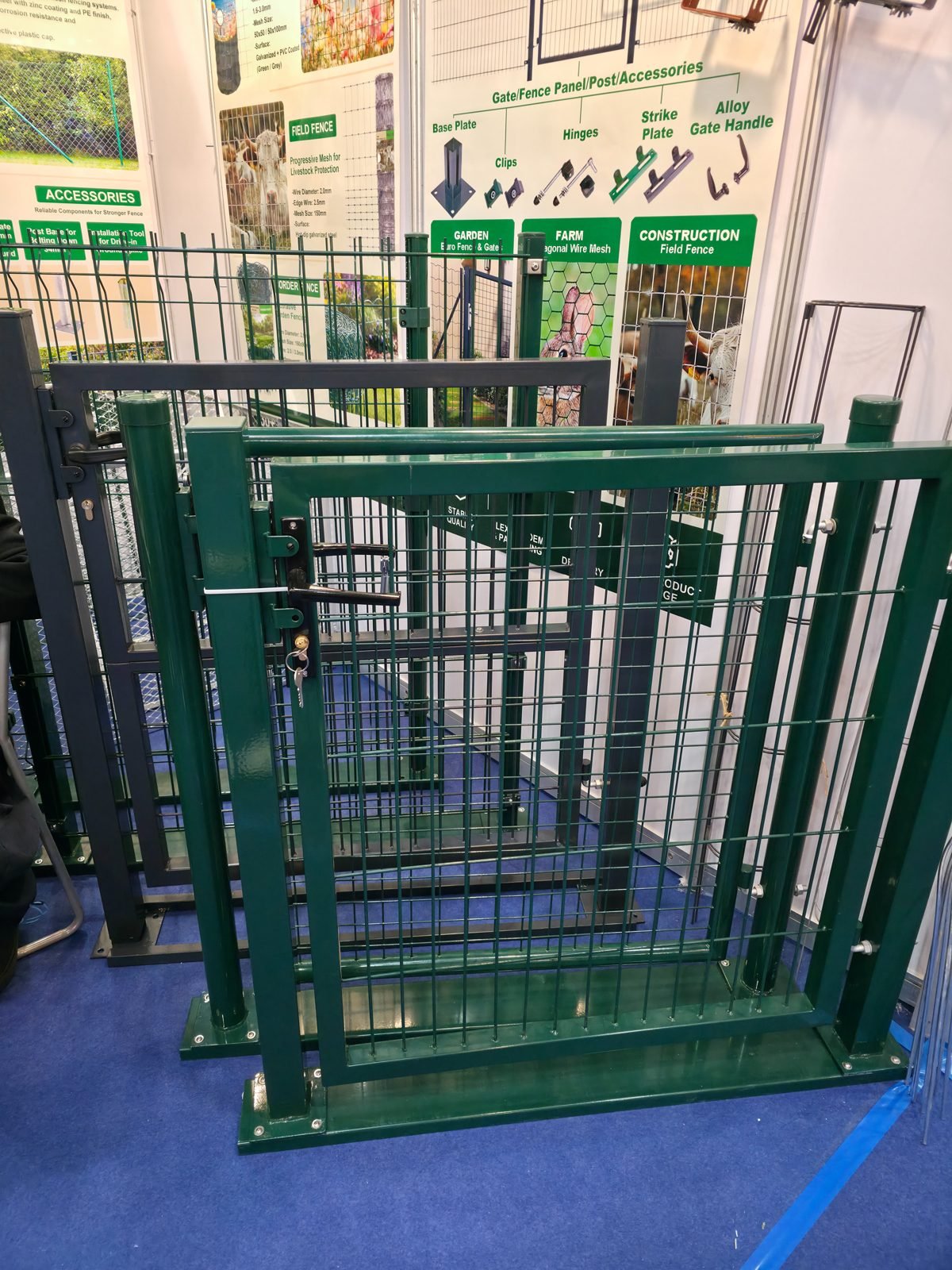
Fencing is the backbone of every farm in New Zealand. It keeps stock where they should be, protects waterways, marks boundaries and makes rotational grazing possible. Whether you run a dairy farm, a sheep and beef station or a lifestyle block, there is always a fence to build, fix or replace.
If you sell fencing, install it or need a lot of it for your own land, importing direct from the factory can cut your costs. But before you do, you need to know the rules. Here’s a plain-English guide to New Zealand’s fencing requirements, what the farming numbers look like, and how I can help you import fencing products.
How big is farming in New Zealand?
Fencing demand follows livestock, and New Zealand has a lot of it. According to Stats NZ’s agricultural production statistics for the year to June 2025:
- 23.3 million sheep, down 1% on the year before.
- 5.7 million dairy cattle, down 1%.
- 3.8 million beef cattle, up 4% (about 153,000 more animals).
Sources: Stats NZ, Agricultural production statistics: Year to June 2025 and the Stats NZ news release.
Every one of those animals lives behind fences, and fences wear out. Rules on keeping some stock out of waterways (covered below) can also mean extra fencing along rivers, lakes and wetlands.
New Zealand fencing rules you need to know
This is general information, not legal advice. Always check with your council, your regional council and, for boundary disputes, a lawyer.
1. The Fencing Act 1978: boundary fences
The Fencing Act 1978 sets the rules for fences between neighbours. As Consumer NZ explains:
- Neighbours usually share the cost of an “adequate” fence 50/50, unless there’s an agreement or covenant that says otherwise.
- If you want to build or repair a boundary fence and share the cost, you serve your neighbour a fencing notice describing the fence, who will build it, the cost and the start date.
- Your neighbour has 21 days to object or propose an alternative. If they don’t respond, they’re treated as having agreed.
2. Building consent: most fences don’t need one
Under Schedule 1 of the Building Act 2004, fences and walls up to 2.5 metres high generally don’t need a building consent. Residential swimming pool fencing is not exempt (Timaru District Council summary). Exempt work must still comply with the Building Code, and your district plan may have its own rules, for example on boundary or road frontage fences, so check with your council.
3. Stock exclusion: fencing off waterways
The Resource Management (Stock Exclusion) Regulations 2020 require some livestock to be kept out of waterways. According to the Ministry for the Environment:
- Dairy cattle, dairy support cattle and pigs must be excluded from specified wetlands, lakes and rivers wider than one metre.
- Beef cattle and deer must be excluded when they are intensively grazed (break-feeding or grazing annual forage crops or irrigated pasture).
- Stock must be kept at least 3 metres from the beds of those rivers and lakes.
- Stock may generally only cross waterways using dedicated bridges or culverts, with limited exceptions.
The rules have changed recently. The low slope map requirement was removed in October 2024, so non-intensively grazed beef cattle and deer are no longer covered by the national rules for most rivers and lakes (Beef + Lamb NZ, MfE). From 7 May 2026, the rule about wetlands with threatened species was narrowed to dairy cattle, dairy support cattle, pigs and intensively grazed beef and deer (MfE).
Regional rules can be stricter. For example, Greater Wellington’s Natural Resources Plan also covers sheep, which the national regulations don’t (Greater Wellington). Check your regional council’s rules before you plan any waterway fencing.
4. Electric fences
- The installation standard for electric fences is AS/NZS 3014, Electrical installations: Electric fences. WorkSafe points farmers to it for installing electric fences safely near overhead power lines (WorkSafe).
- Energisers are covered by AS/NZS 60335.2.76. Building CodeHub notes that the 2003 edition remains current in New Zealand.
- WorkSafe’s minimum safe approach distance for working near any overhead power line is 4 metres, from the NZ Electrical Code of Practice NZECP 34:2001 (WorkSafe).
If you import energisers or electric fence components, make sure the supplier can show they meet the relevant standards.
5. Timber posts
Timber posts in the ground need the right treatment level. H4 treated timber is used for fence posts and boundary fencing in direct soil contact, while H5 is used for heavier-duty jobs such as retaining walls (Beams & Timber). Steel posts, mesh panels and gates are the alternative, and that’s where importing comes in.
6. Importing fencing products
- Wood packaging (pallets, crates, dunnage) must meet New Zealand’s biosecurity requirements (MPI). Make sure your factory uses ISPM 15 treated and marked packaging.
- Duty preference from China: under the NZ-China Free Trade Agreement, importers can claim preferential tariff treatment using a certificate of origin, a declaration of origin or other evidence that the goods meet the rules of origin (NZ Customs).
What agricultural fencing can you import?
At the Canton Fair I see a huge range of fencing from Chinese factories, like the mesh panels, gates and accessories in the photo above. Common products include:
- Welded mesh fence panels and gates, galvanised and powder-coated (green, grey or black).
- Field fence and progressive mesh for livestock.
- Hexagonal wire mesh for poultry and garden use.
- Steel posts, base plates, clips, hinges, strike plates and gate handles.
- Construction and temporary fencing.
How I can help
I import by the container for my own business, and I help farm supply stores, fencing contractors, builders and lifestyle block owners import fencing into New Zealand and the Pacific. I can:
- Find and compare factories through my Canton Fair contacts, Alibaba and 1688.com.
- Check specifications like wire diameter, mesh size and coating against what you need.
- Get samples and arrange quality checks before you pay.
- Work out your landed cost per panel, post or roll, including freight, duty, GST and clearance. Here’s how landed cost works.
- Ship and clear your order by LCL or FCL, with biosecurity-compliant packaging and the right origin documents.
I’m heading to the 140th Canton Fair in October 2026. If you need fencing, send me your product list before I fly and I’ll look for factories while I’m there.
Got an idea? DM me today.
Free first chat on Instagram, Messenger or WhatsApp, or use the contact form.
Sources
- Stats NZ: Agricultural production statistics, year to June 2025
- Stats NZ news release via LiveNews: Beef cattle numbers on the rise
- NZ Legislation: Fencing Act 1978
- Consumer NZ: Fencing law
- NZ Legislation: Building Act 2004, Schedule 1
- Timaru District Council: Exempt building work
- NZ Legislation: Resource Management (Stock Exclusion) Regulations 2020
- Ministry for the Environment: Stock exclusion regulations
- Beef + Lamb NZ: Government announcement on stock exclusion
- Greater Wellington: Stock exclusion regulations
- Standards NZ: AS/NZS 3014 Electric fences
- Building CodeHub: AS/NZS 60335.2.76 Electric fence energizers
- WorkSafe: Power lines on rural properties
- Beams & Timber: Timber treatment levels H3, H4 and H5
- MPI: Importing wood packaging and ISPM 15 material
- NZ Customs: New Zealand-China Free Trade Agreement
Thinking about importing this yourself? See my services and pricing, or book a free first chat.